

By: VP Wright, Creator of “For the Culture”
Forward Times
Breast cancer does not announce itself with time to prepare. It arrives in a doctor’s office, in a scan result, in a phone call that changes the trajectory of a life. And for Black women in the United States, it arrives with a particular and documented cruelty: not more often than it does for white women, but later—caught at a more advanced stage, treated with less urgency, and survived at a rate that should embarrass the wealthiest healthcare system in the world. Black women are 42 percent more likely to die from breast cancer than white women. Under 35, they are diagnosed at twice the rate and die at three times the rate of their white counterparts.
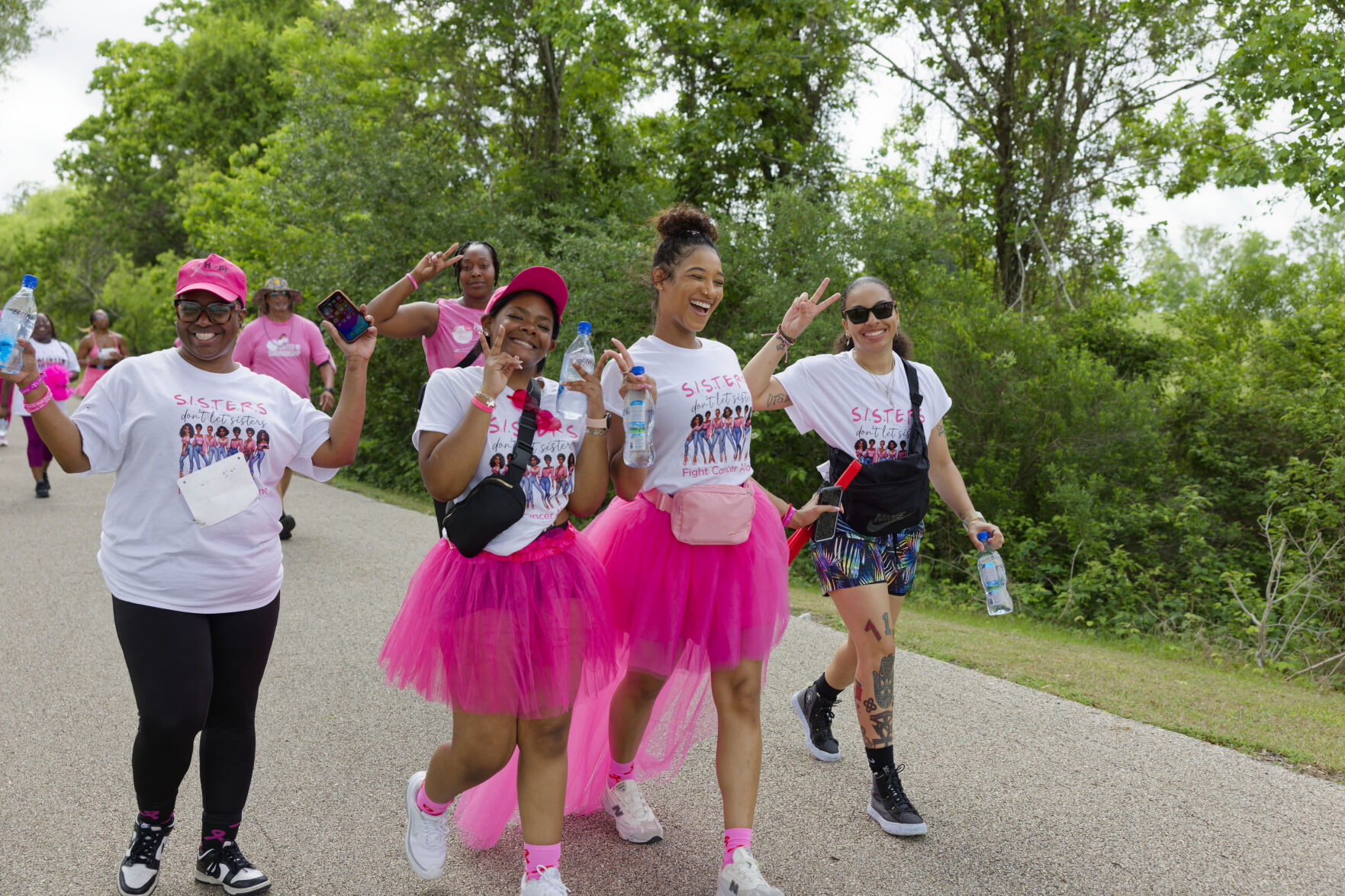
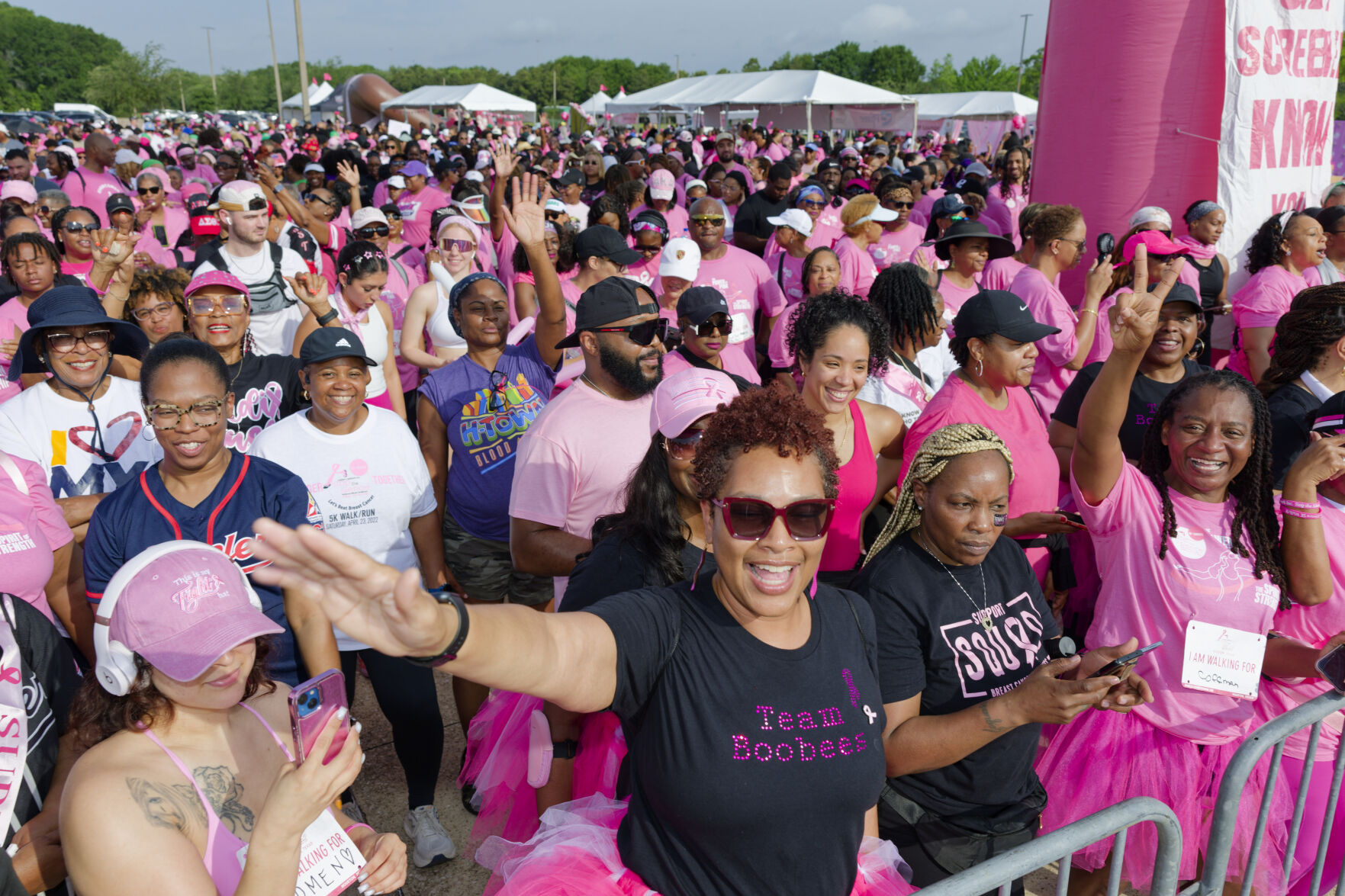
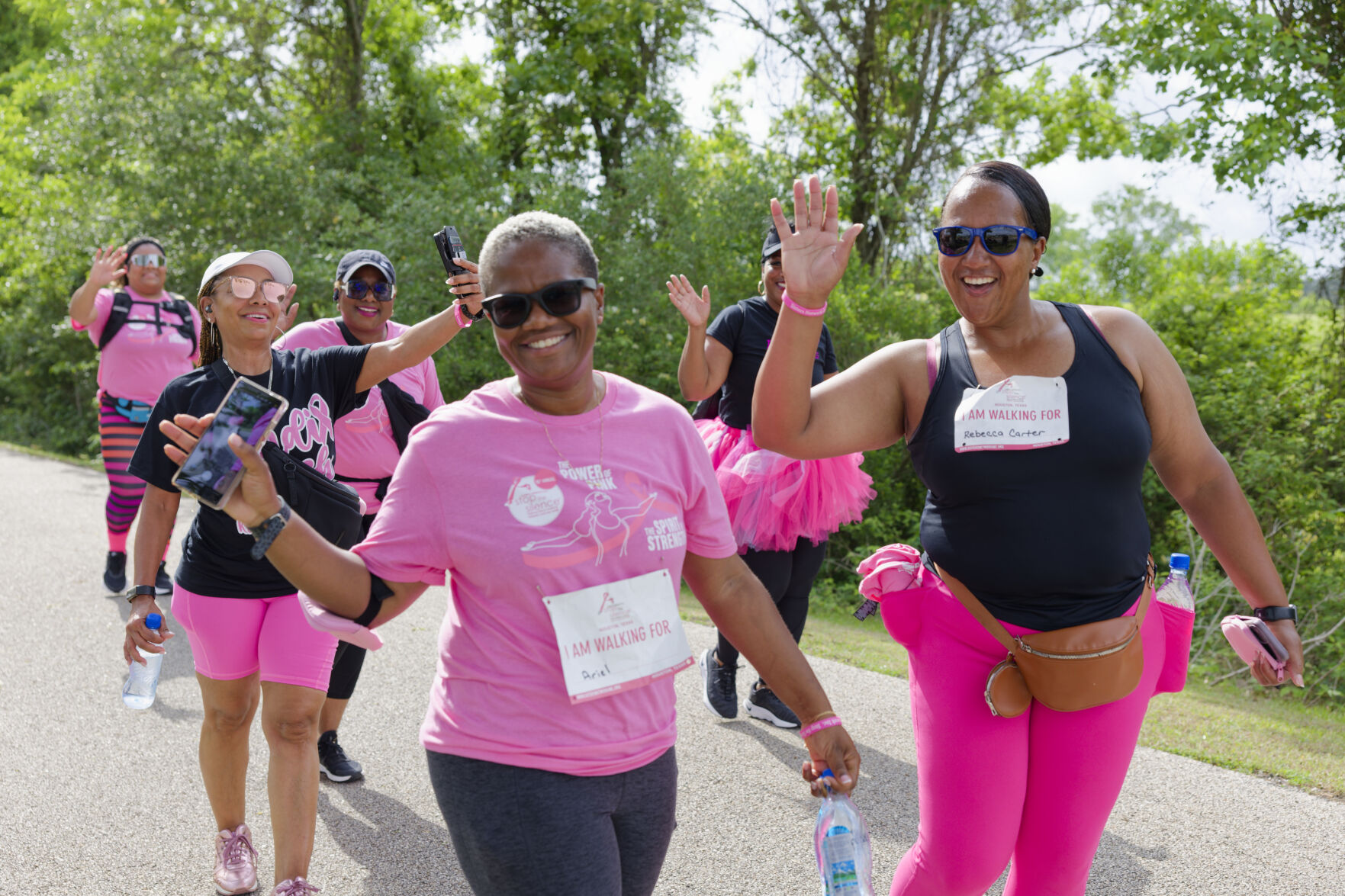
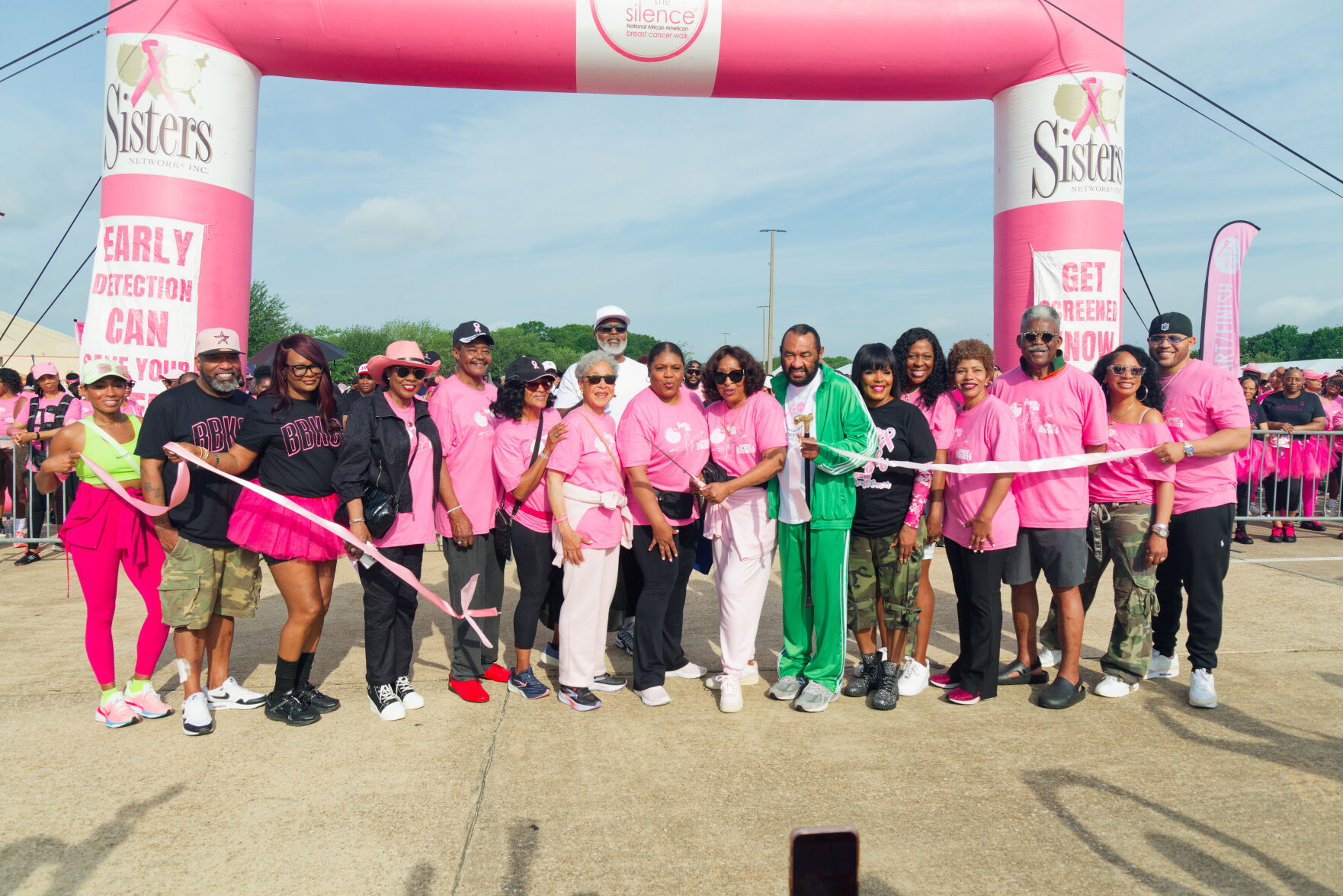
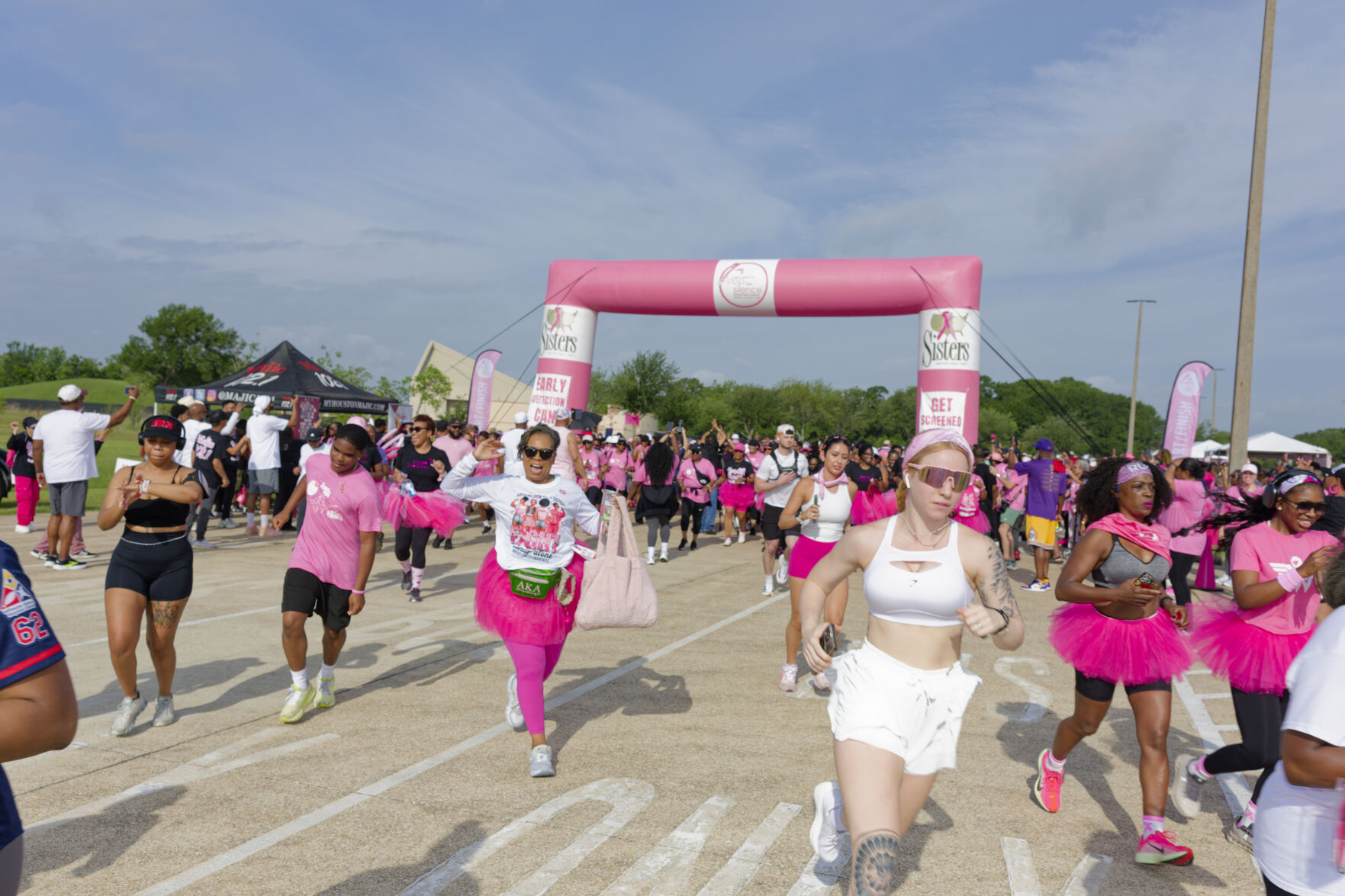
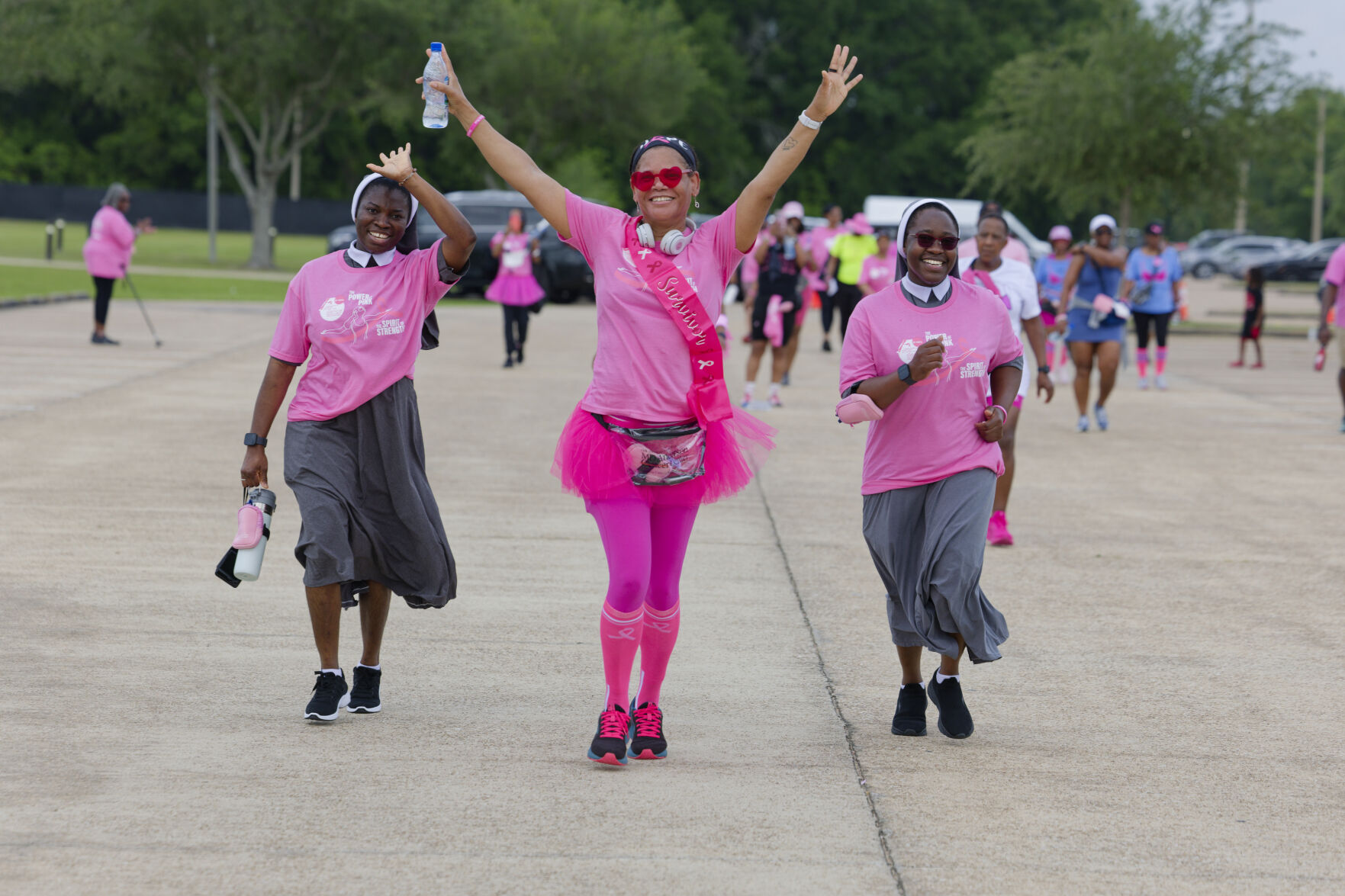
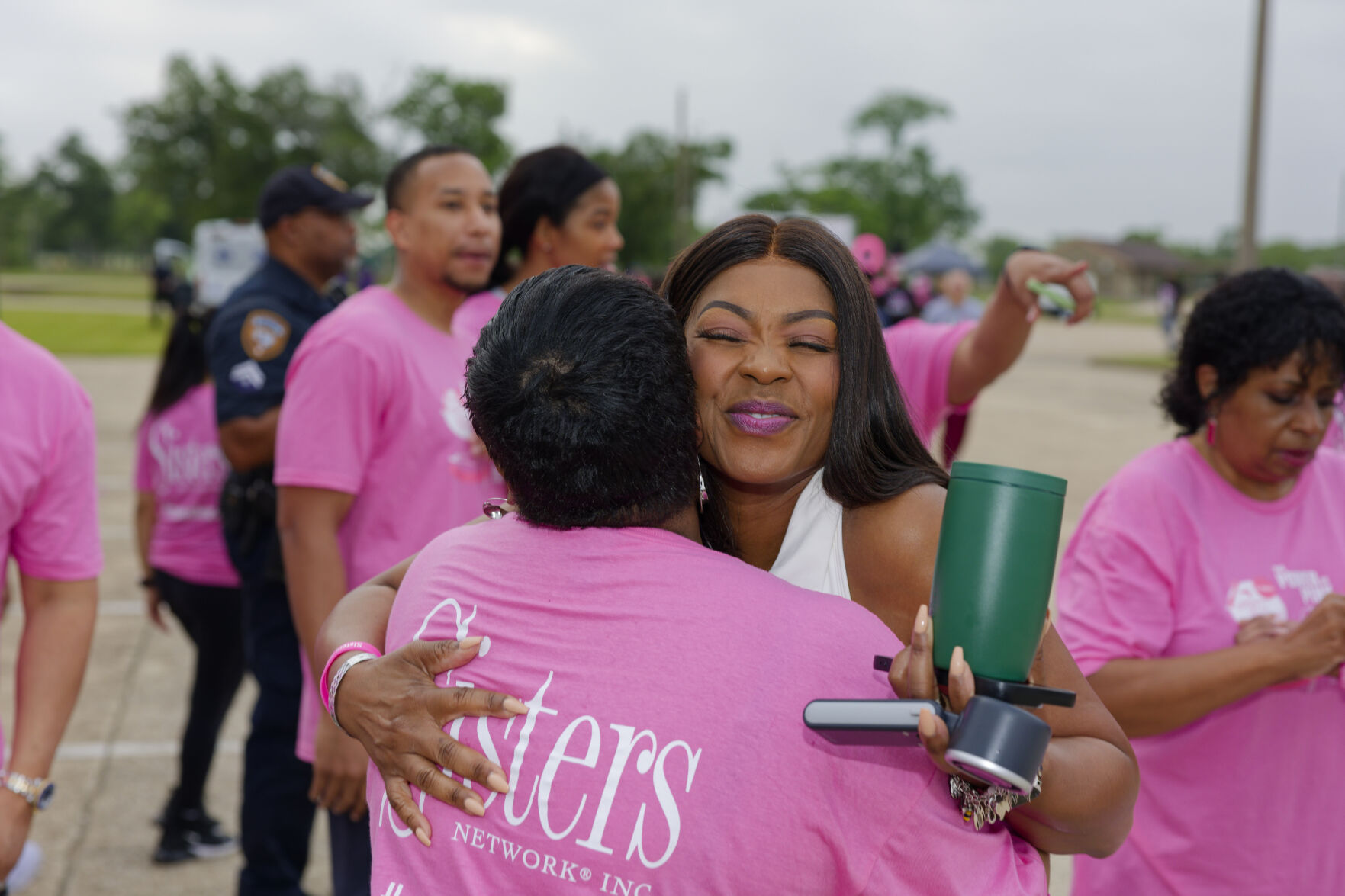
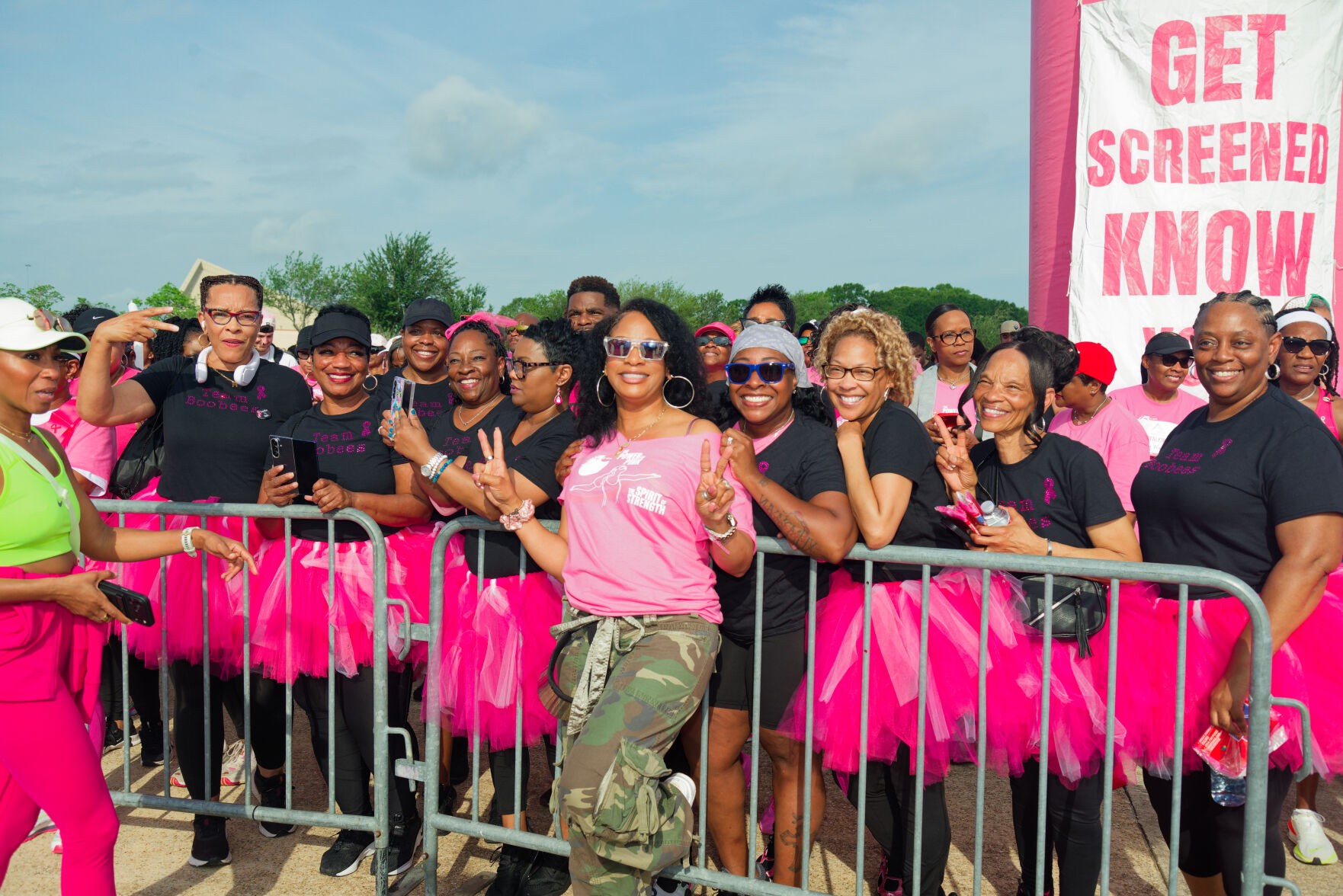
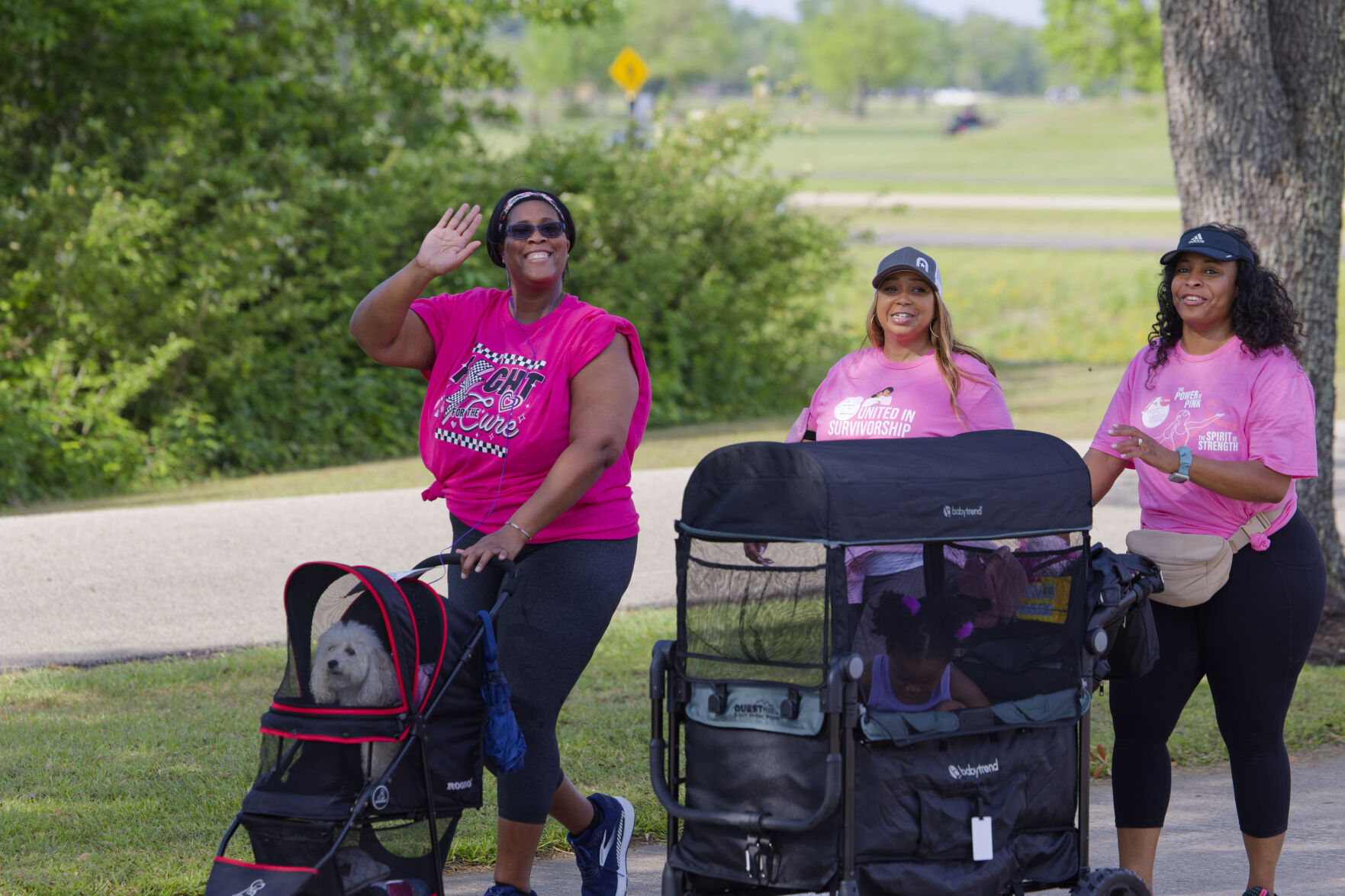
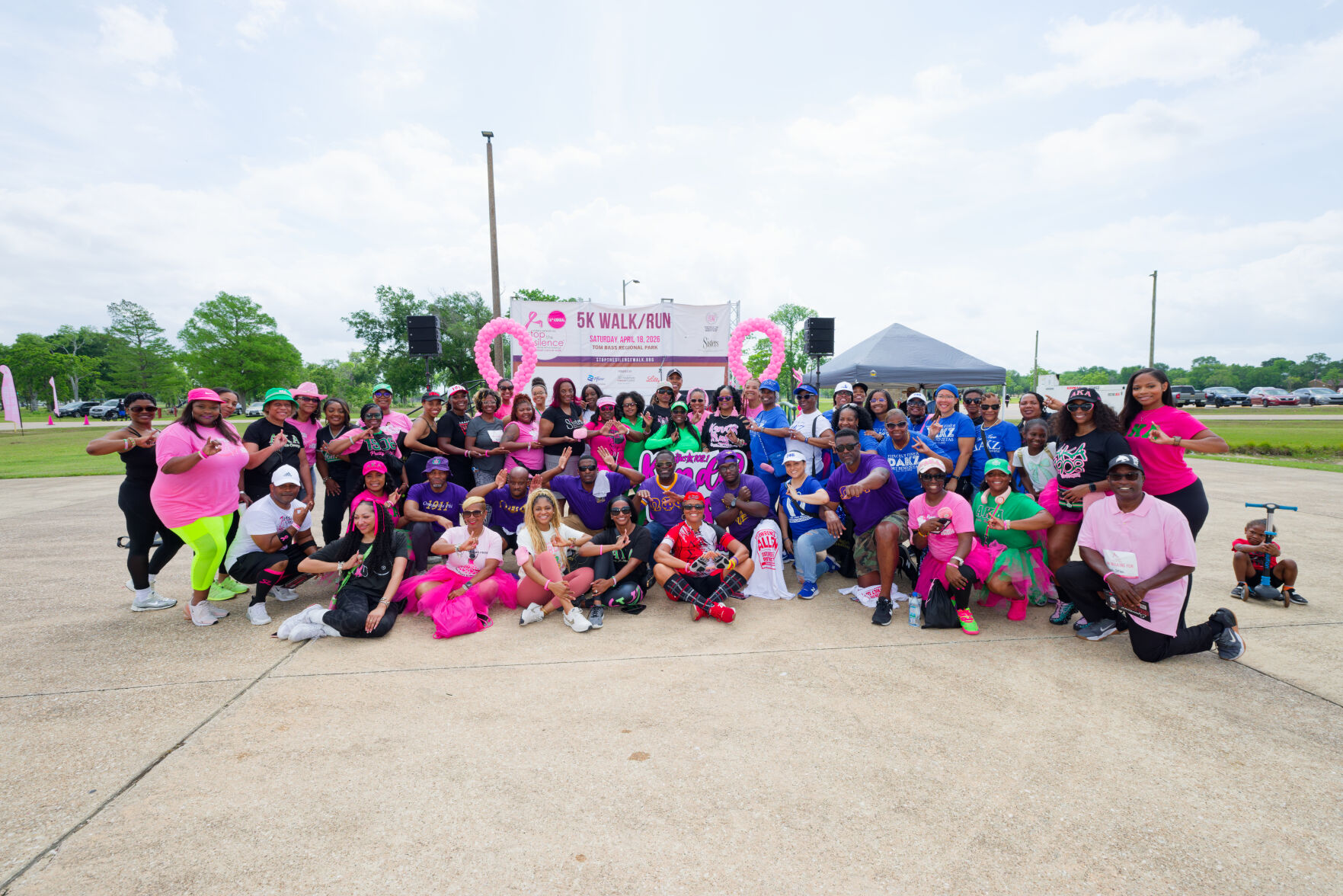
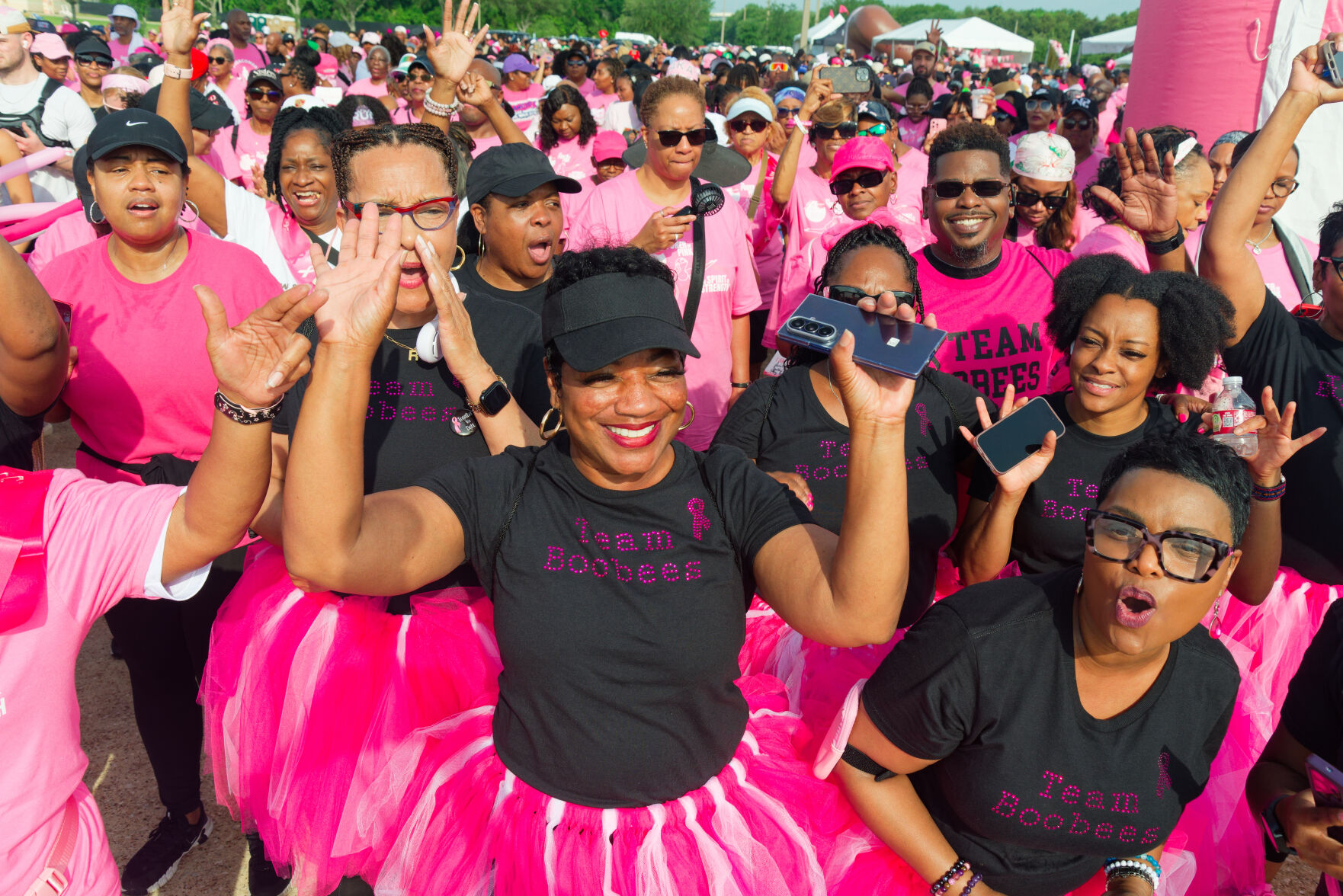
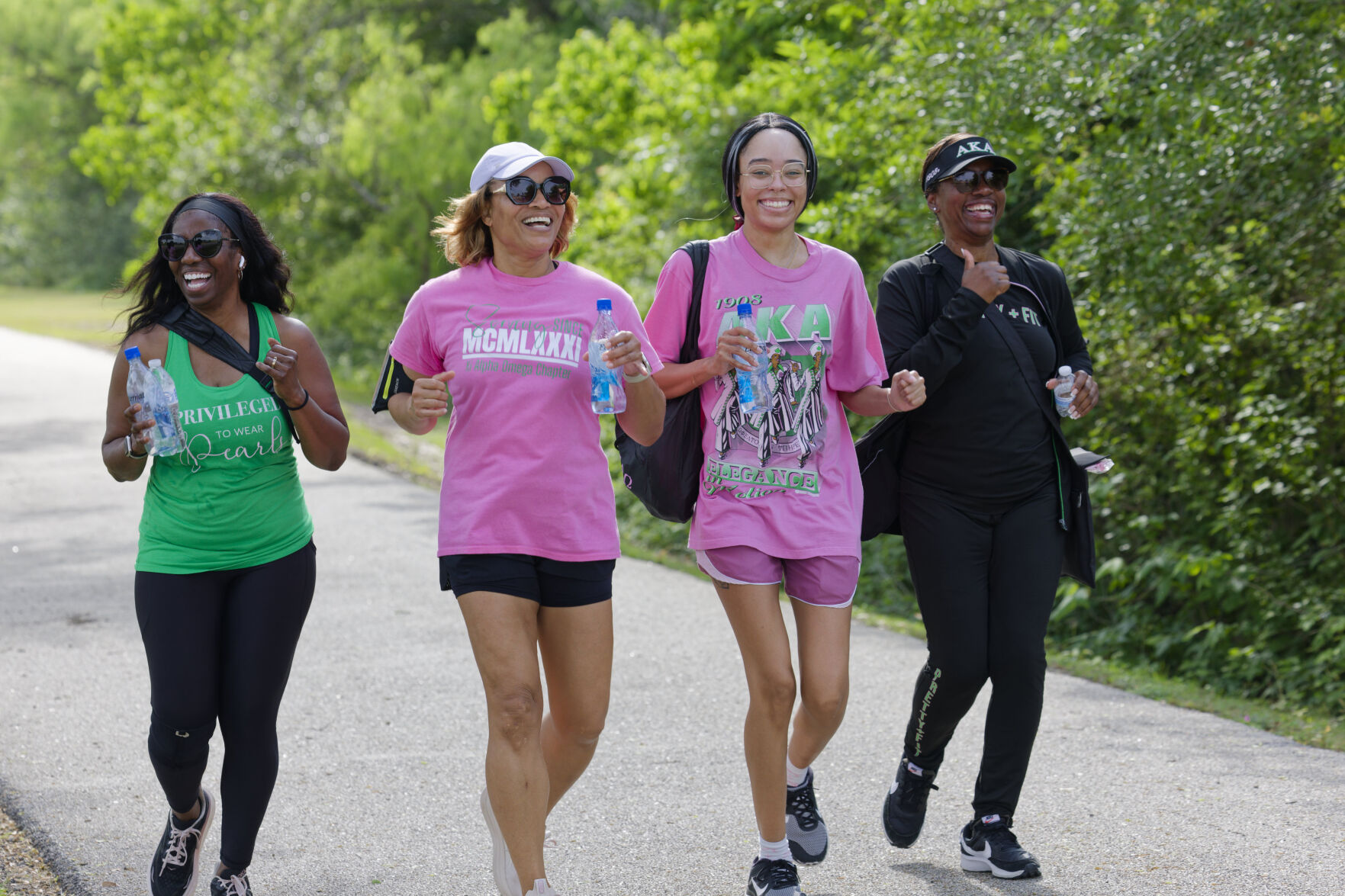
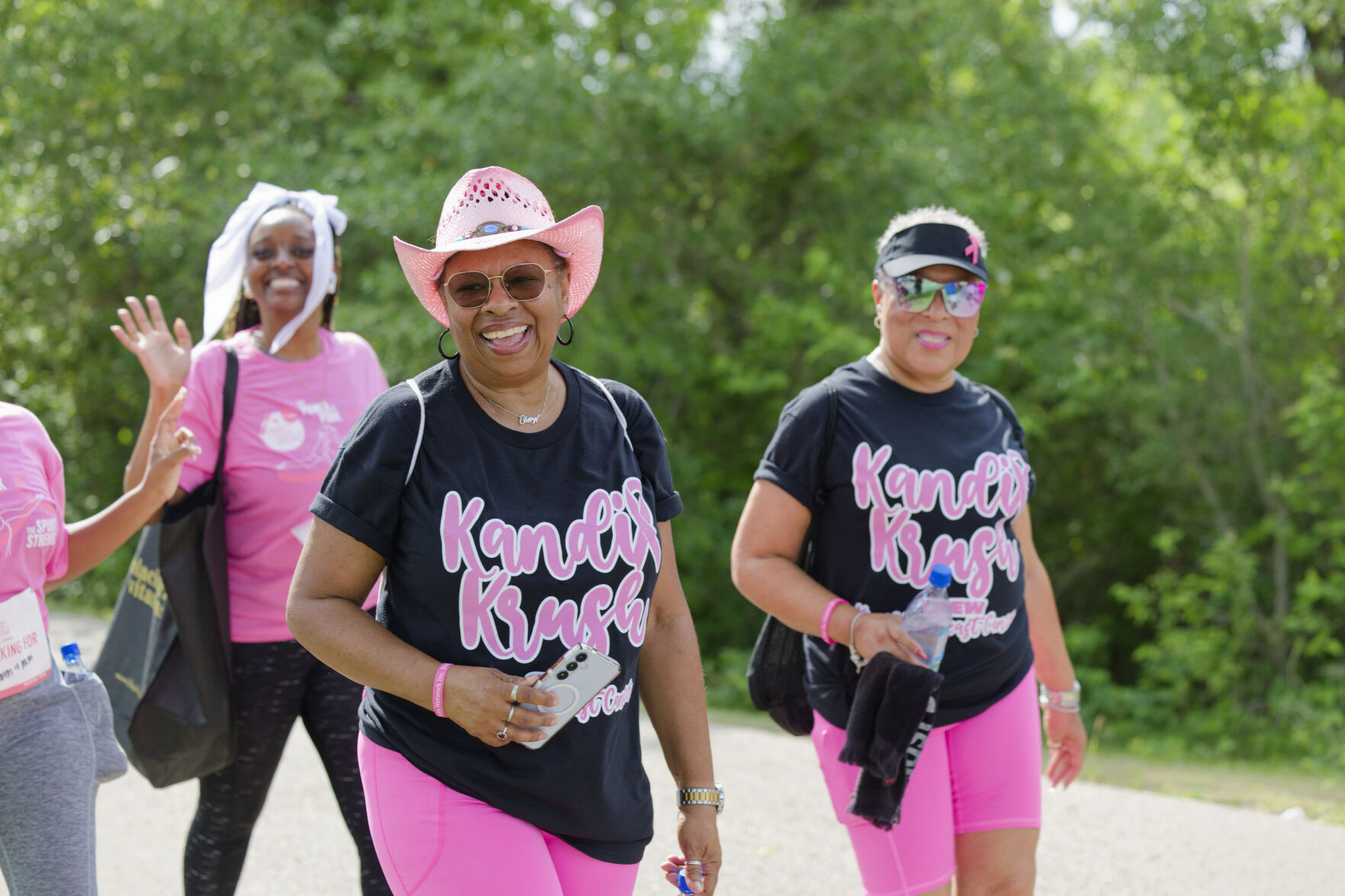
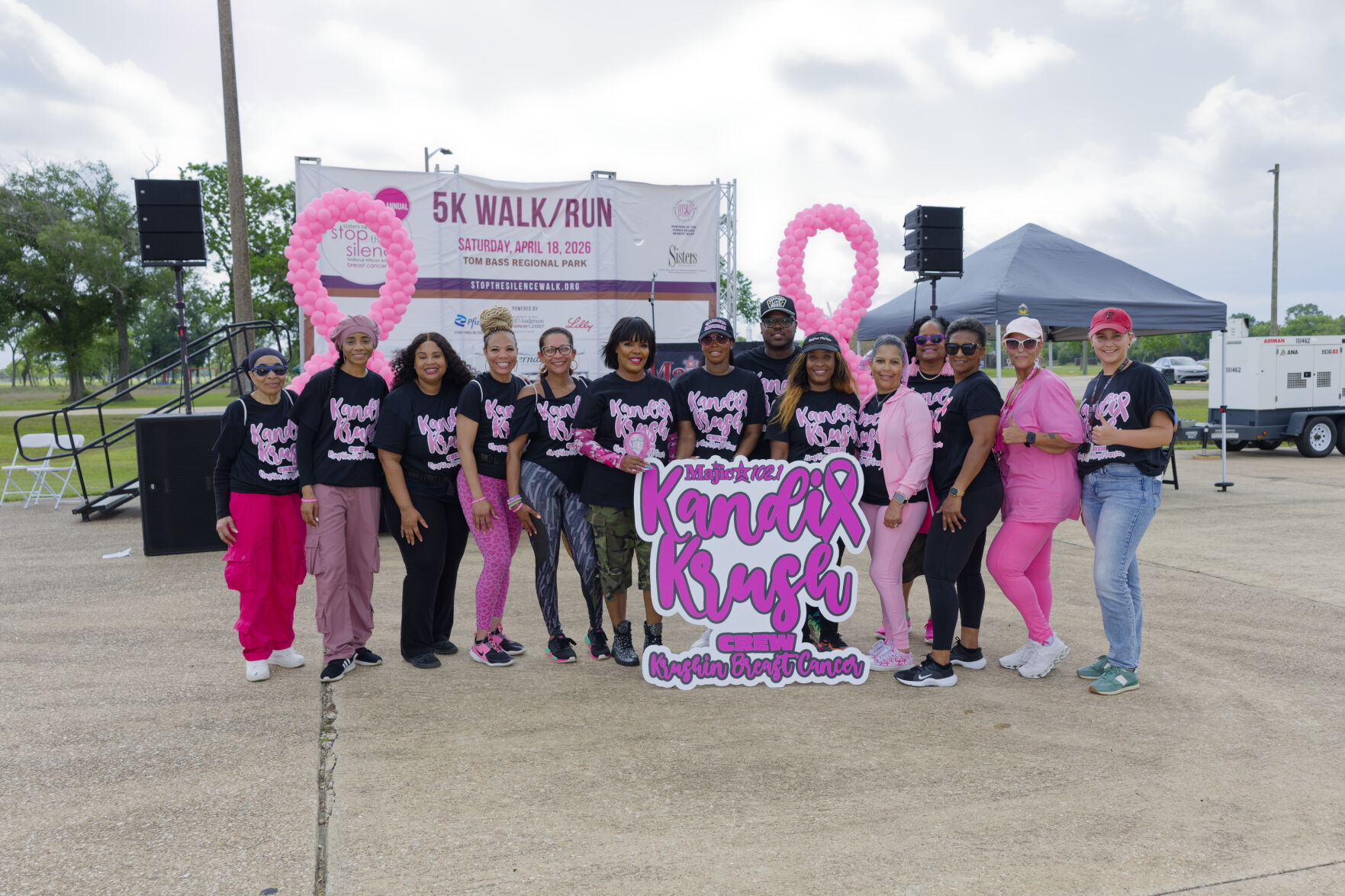
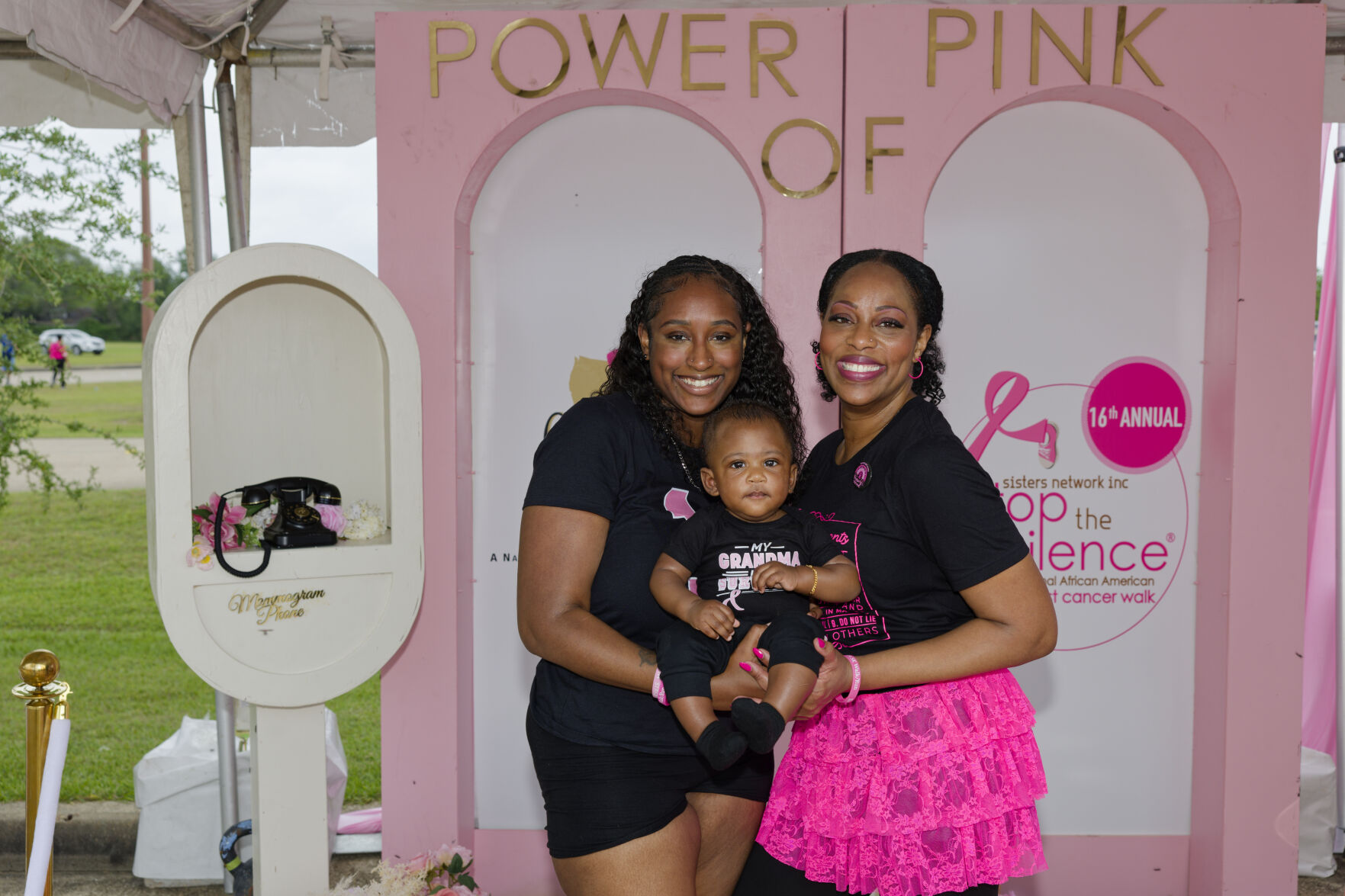
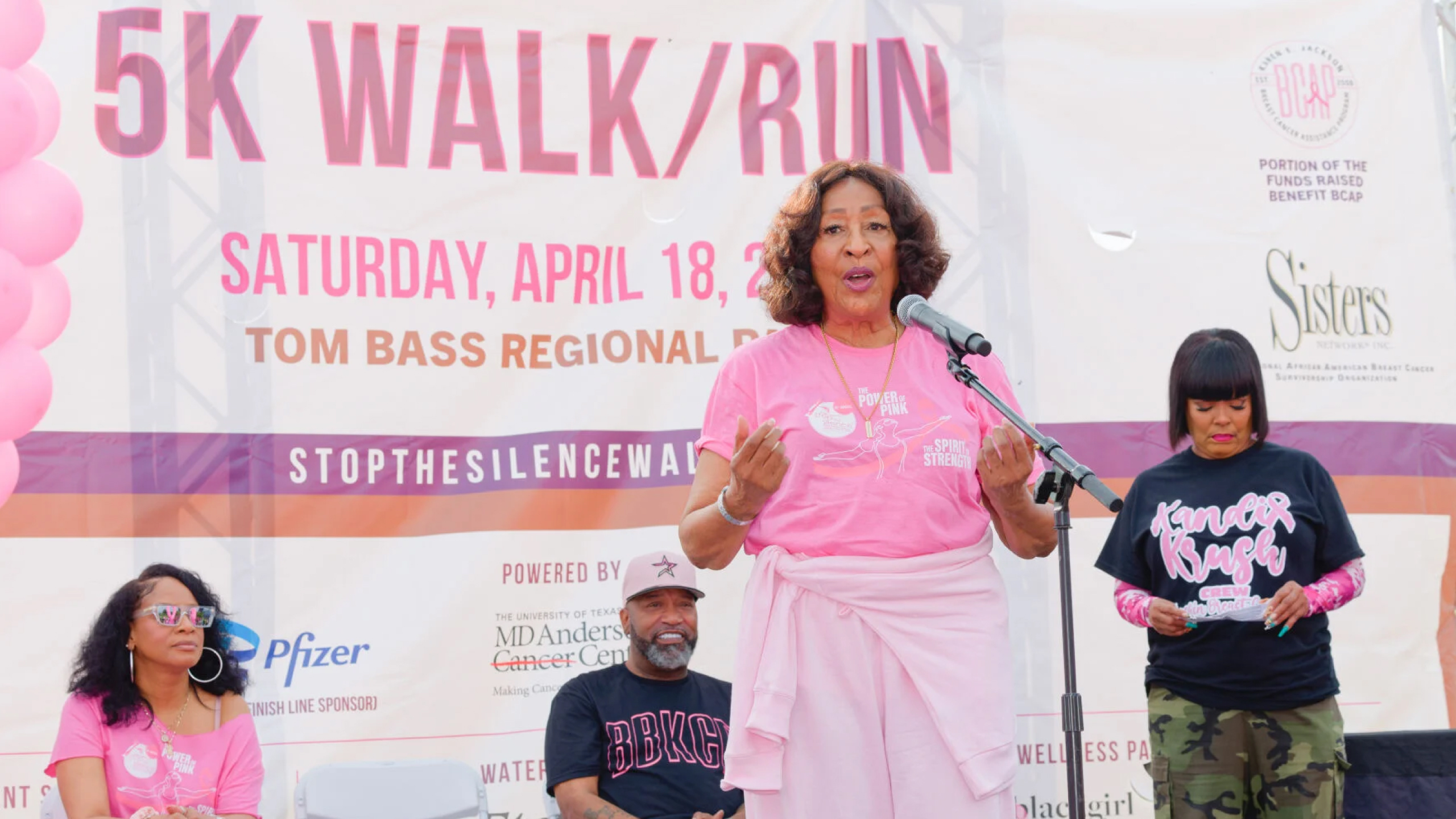
These are not footnotes. They are the reason Sisters Network® Inc. exists. They are the reason Karen Eubanks Jackson founded an organization in Houston in 1994, before the internet, before the pink ribbon had become an industry, before the medical establishment had fully reckoned with the fact that it was failing Black women in a way that was specific, measurable, and preventable. They are also the reason that, on a hot, cloud-thick Saturday morning this past April 18, more than 3,000 people moved through Tom Bass Regional Park in southeast Houston at the 16th Annual Stop the Silence® National African American Breast Cancer 5K Walk/Run—not as a gesture, not as an aesthetic, but as an act with material consequences.
Because when Sisters Network asks you to walk, the money you raise pays for a woman’s rent while she is in chemotherapy. It pays for a 3D mammogram for a woman who has no insurance and whose tumor is still small enough to treat. It is a direct line between a Saturday morning in a park and a woman’s survival.
The Karen E. Jackson Breast Cancer Assistance Program—the financial backbone of Sisters Network’s direct service work—has distributed more than two million dollars since its founding in 2006. That number lives in spreadsheets and grant reports, but it also lives in the specific texture of a crisis averted: a utility bill paid during treatment so a woman is not choosing between electricity and a doctor’s appointment; a mammogram administered to someone who would otherwise have waited until the lump was unmistakable and the options were fewer.
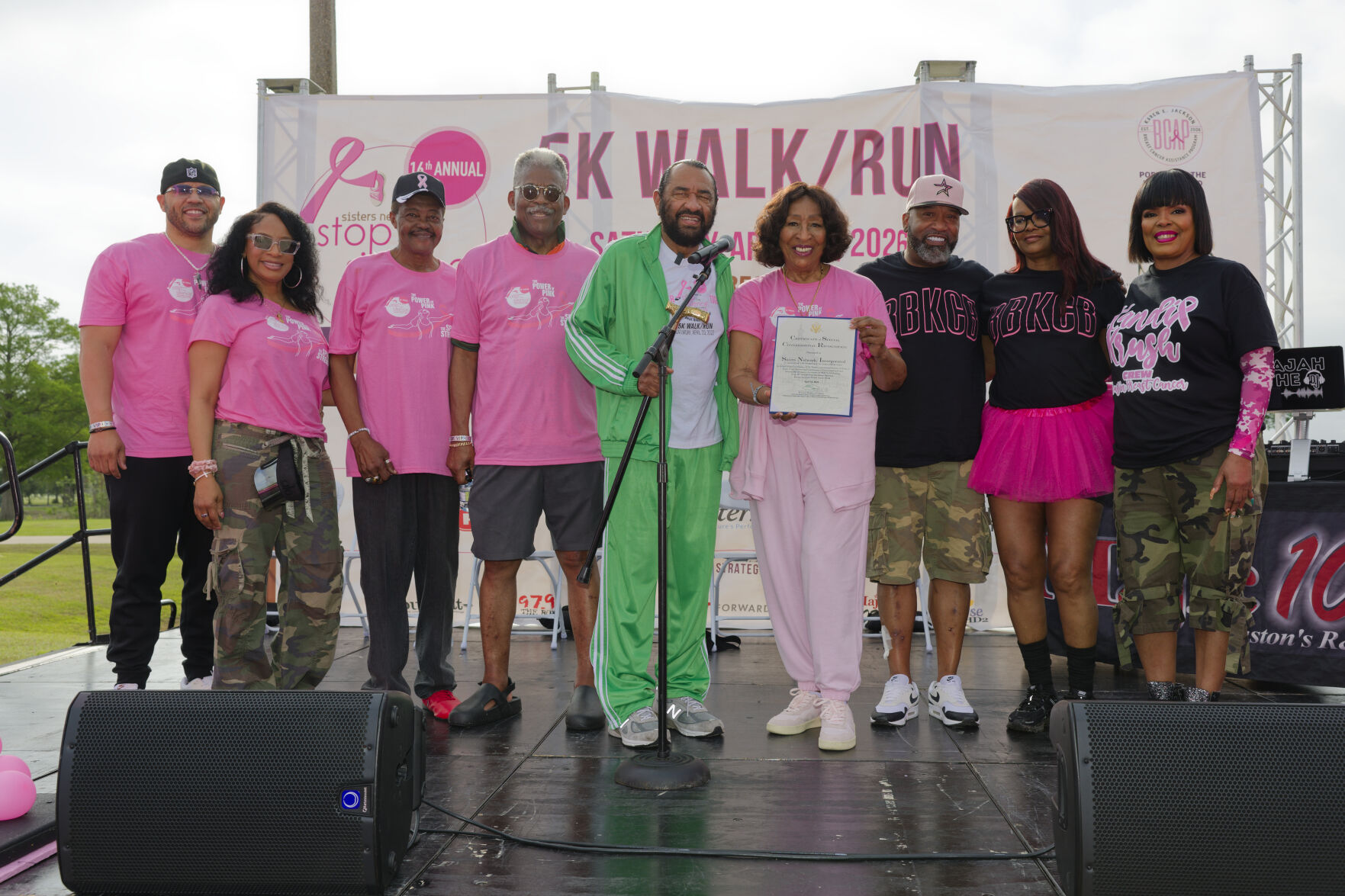
When Jackson addressed the crowd Saturday morning, Congressman Al Green made sure the park understood the scale of what she had built. He asked for applause, then stopped the crowd, said it was more Dallas–Fort Worth than Texas-sized, and demanded they try again.
They obliged.
The second round was different: fuller, longer—the kind of sound a community makes when it is trying to say thank you and finding that words are not quite sufficient.
Jackson’s daughter, Caleen Allen, serves as Executive Vice President of the organization her mother built and is, in the plainest terms, the next chapter of it. She took the mic with the matter-of-fact efficiency of someone who has watched this work her entire life and absorbed its urgency completely.
“I’m just stepping in my mom’s shoes to continue to run Sisters Network, to amplify breast health around the country. We are headquartered proudly here in Houston, Texas, but we have 28 affiliate chapters around the country to serve your family and friends.”
Karen Jackson spent three decades building an organization that treats Black women’s health not as a luxury or an afterthought but as a right requiring active protection. Caleen Allen is delivering the same message to the same audience with the same directness.
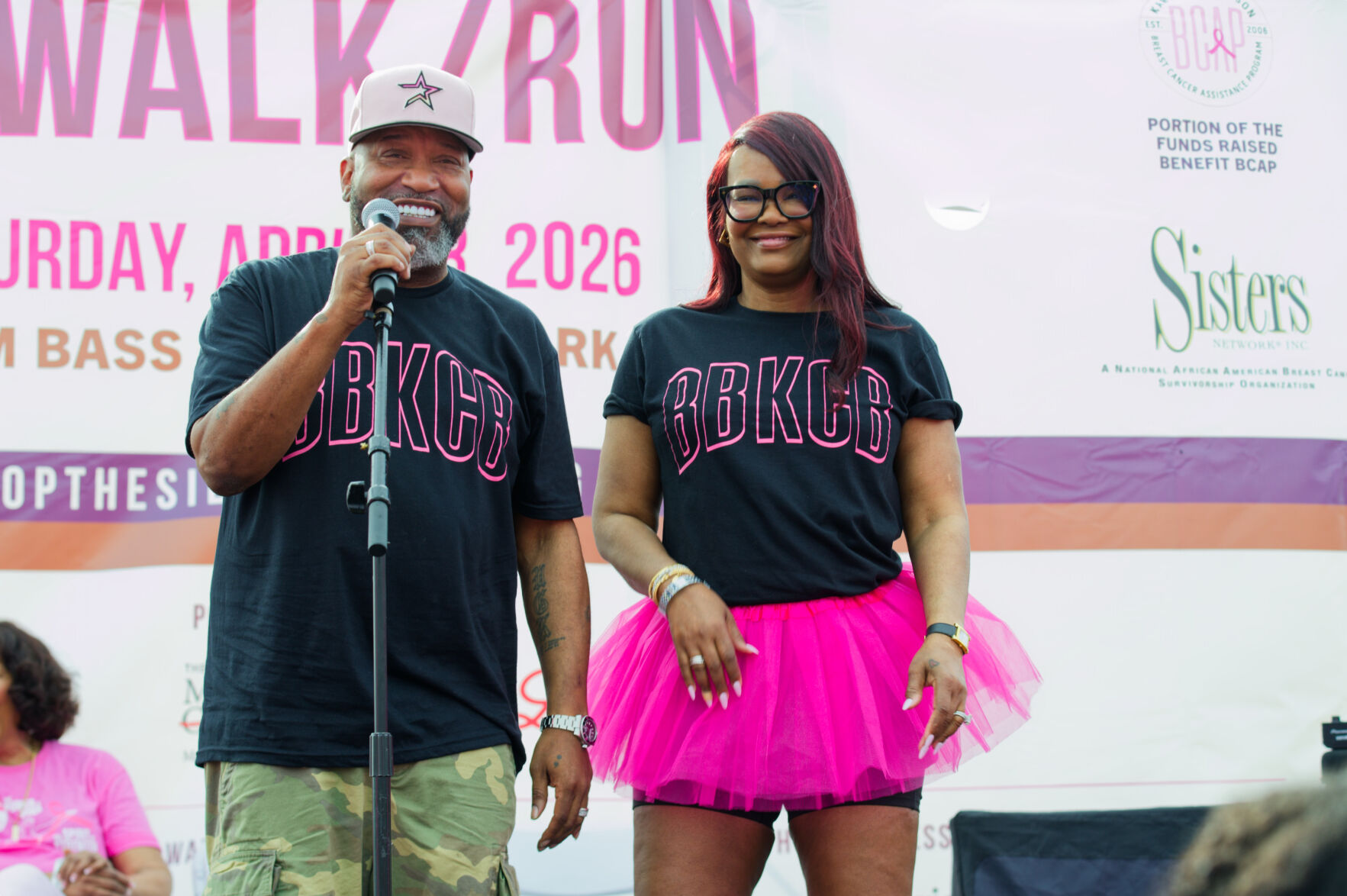
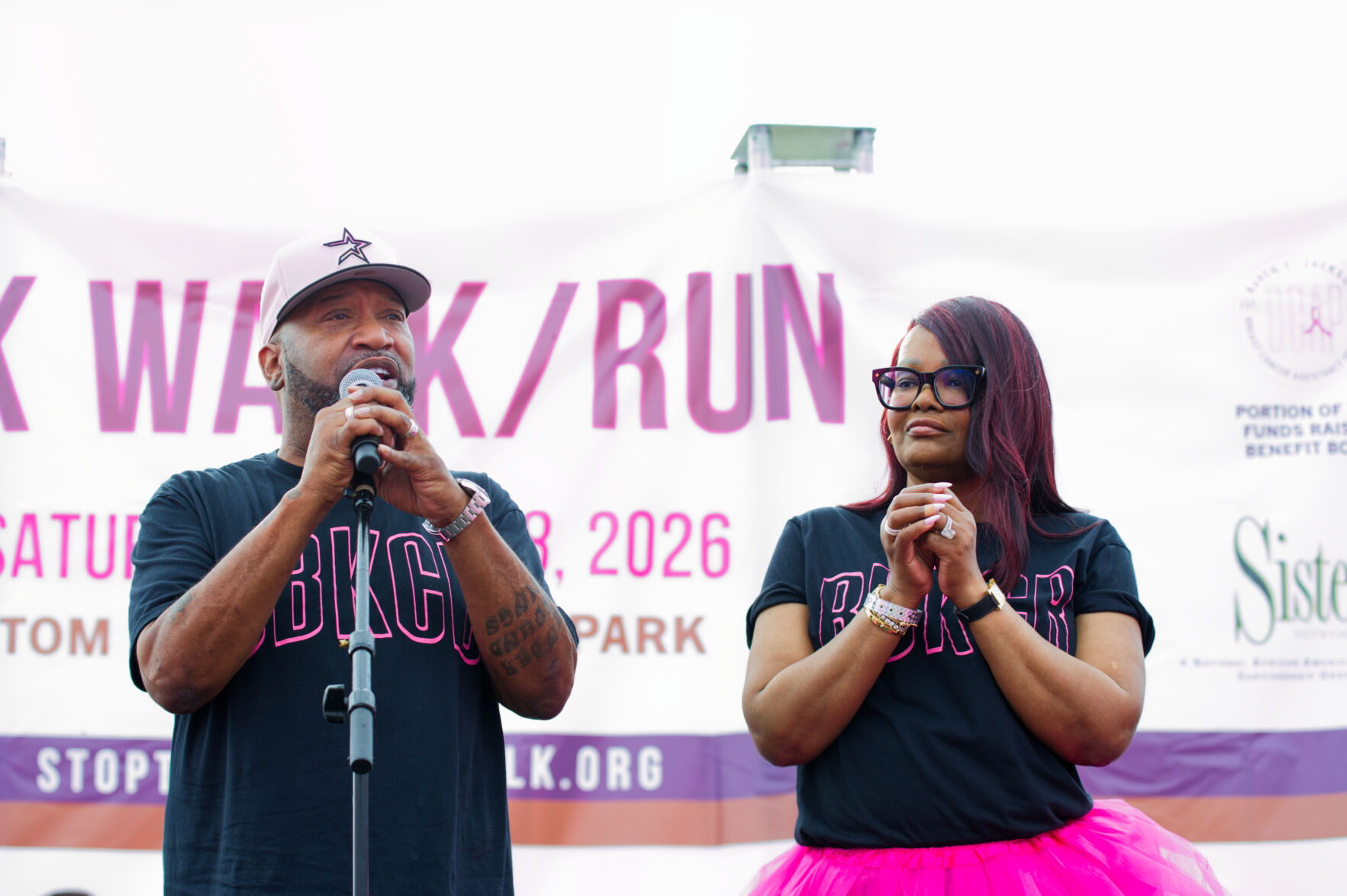
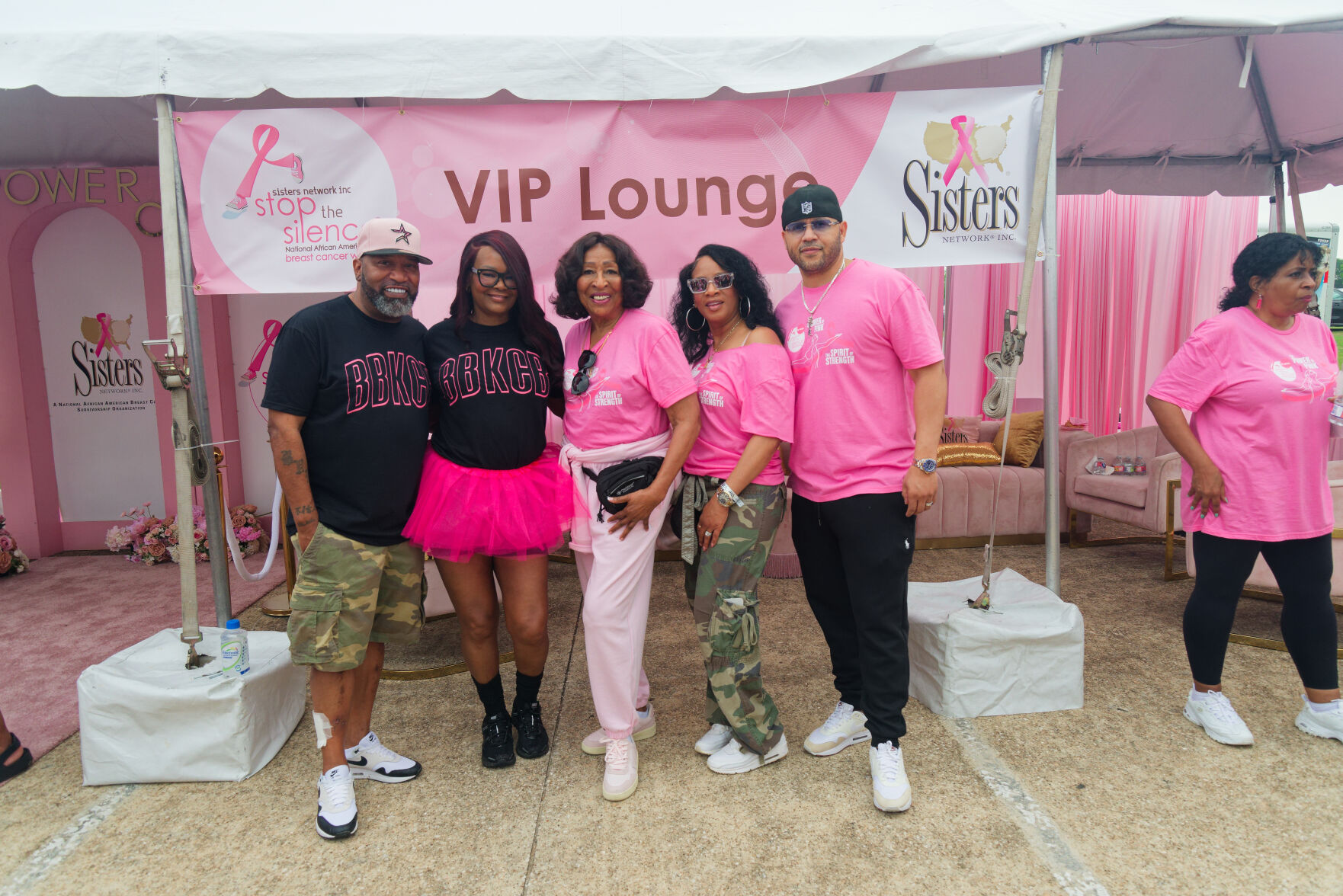
Among the voices that carried particular weight on Saturday was one belonging to a man standing next to his wife. Bun B—one half of UGK, a Houston institution, a figure whose presence at any city event signals that the moment matters—stood on that stage with Queenie beside him and spoke not as a celebrity endorsing a cause, but as a husband who had watched his wife move through Stage 2 breast cancer and come out the other side. She was cleared this past February.
The walk, for him, was not hypothetical.
“As a husband, I just wanna let all the men know that it’s so important that we stand by our women—our mothers, our sisters, our wives, our nieces, our aunts, and our daughters. We have to be there with them.”
He kept going, and what he said next is worth sitting with:
“This walk is not just today. For some people, this walk takes months. Sometimes this walk takes years. Some of you are currently walking. And that’s what we’re doing today—we are here as men to walk with you.”
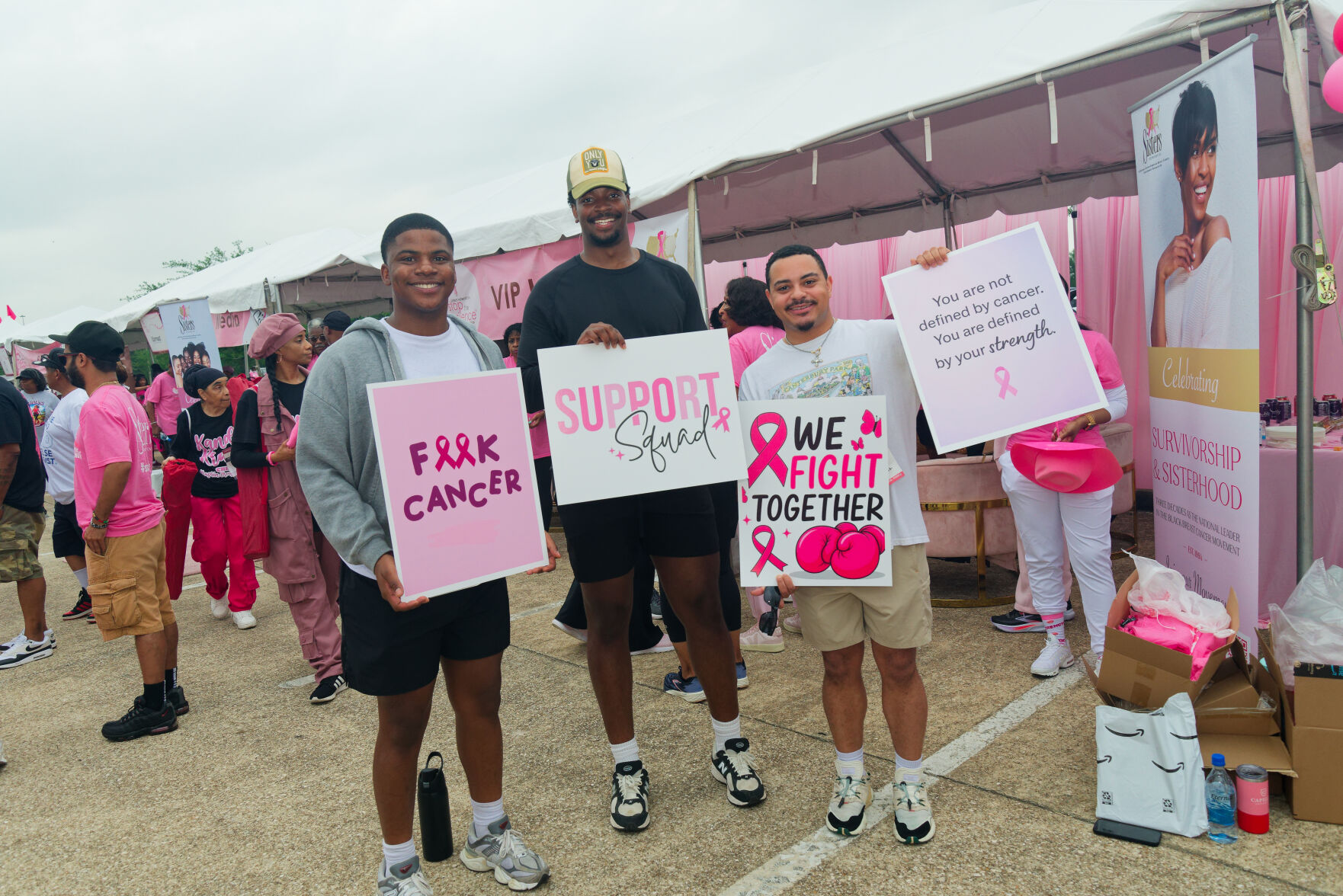
Brothers Supporting Sisters, the men’s advocacy organization that turned out in force Saturday, is organized around exactly this principle—that support is not a performance delivered once a year and then withdrawn. It is a sustained posture. It is the difference between showing up at a walk and showing up at a treatment center, at a follow-up appointment, at the kitchen table when the diagnosis is still new and the fear is still louder than anything else.
“None of you should have to do this alone. If you have a free hand and nobody’s holding it—just reach out. Somebody’s ready to grab it. Somebody’s ready to walk with you.”
What made that moment land the way it did was what surrounded it: a significant number of people in that park were men—Black men, specifically—who had gotten up on a Saturday morning and showed up. The presence was the argument.
Tom Bass Regional Park is not incidental to this event. It sits in southeast Houston, which is Black Houston in the most rooted sense—the geography of family reunions and church homecomings, of neighborhoods that have held their character through decades of disinvestment and displacement pressure. The decision to anchor a national breast cancer event here, in this community, in this zip code, every year for sixteen years is its own kind of political act. It says: the women this disease is most actively killing are not a demographic to be addressed from a distance. They are the host community.
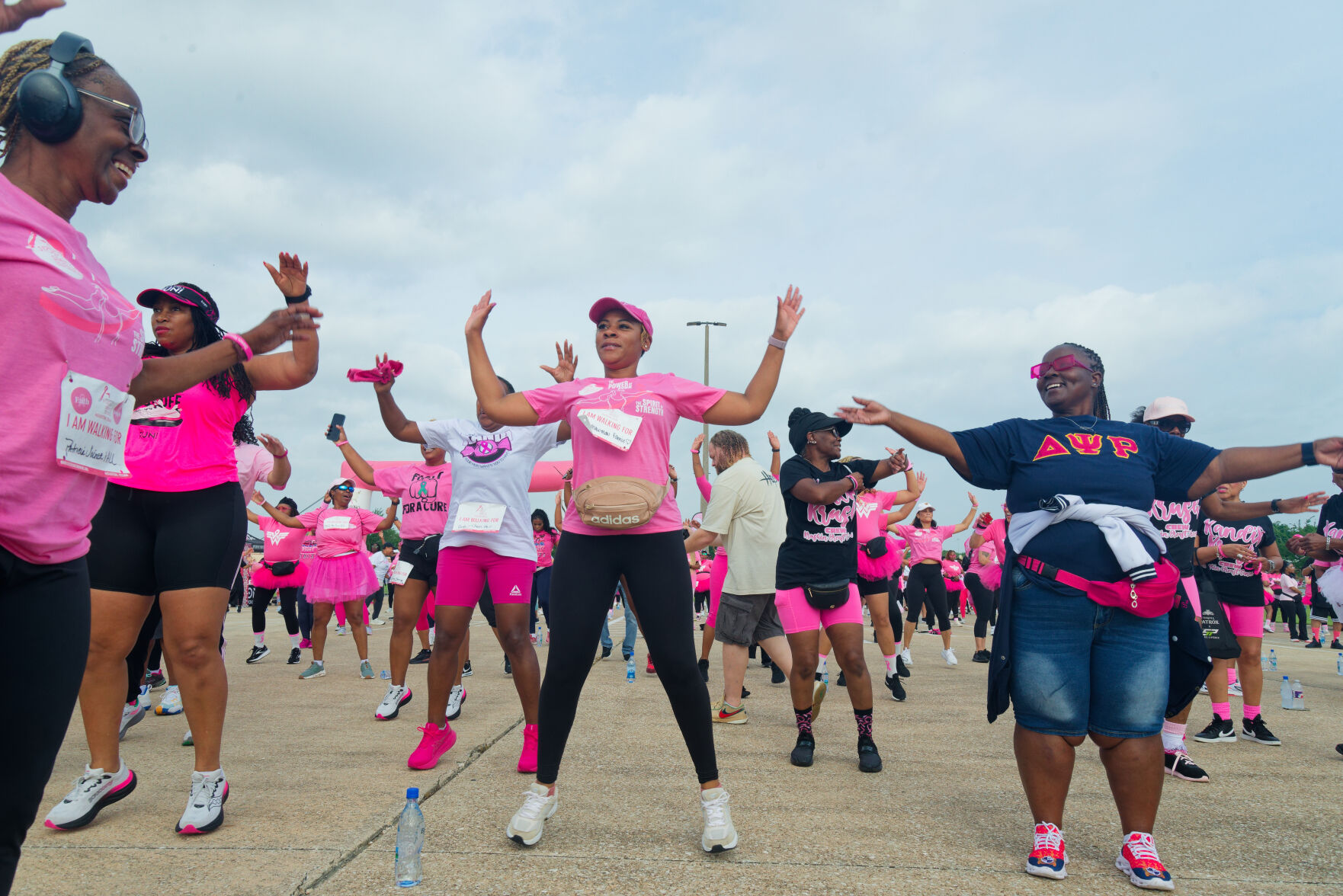
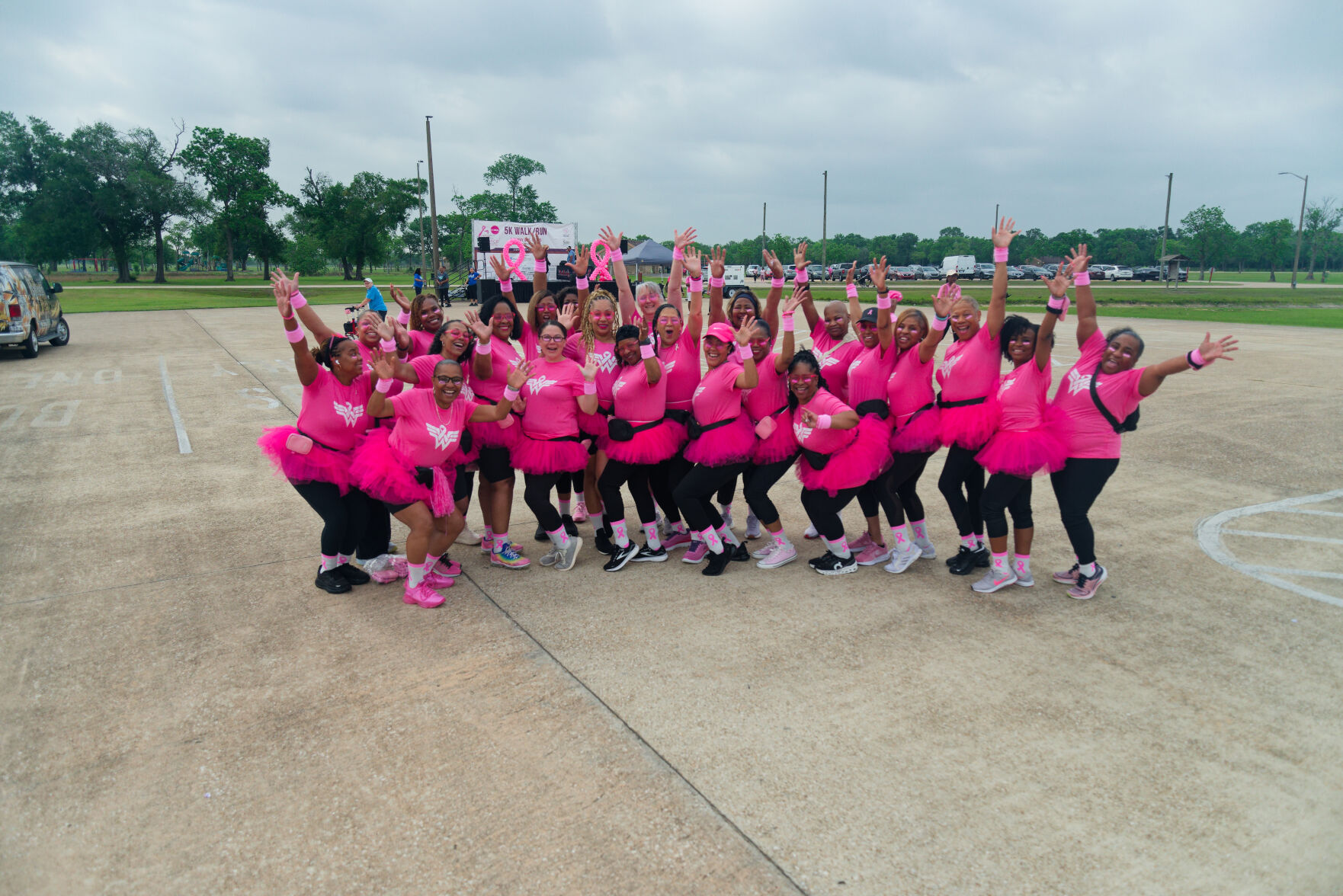
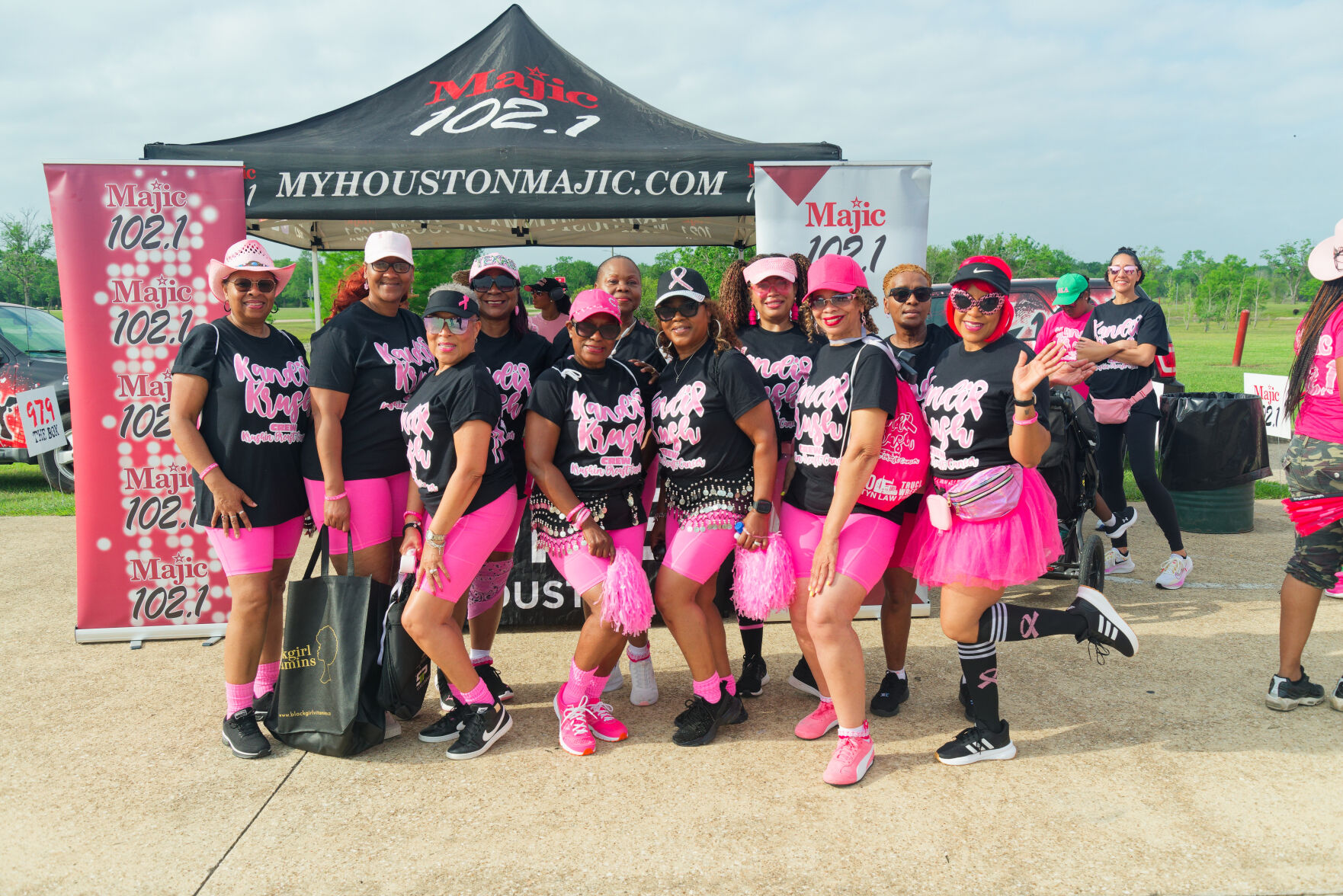
That geographic commitment carried through everything on Saturday. The Houston Area Urban League set up voter registration tables—because health justice and civic power are not separate concerns, and Sisters Network has never pretended otherwise. Council Member Martha Castex-Tatum was present. Magic 102.1’s Kandi Eastman was there and, by the end of the morning, had joined the line dancing that broke out after the walk concluded—a moment that captures something true about what Sisters Network produces: a gathering that holds grief and joy in the same hand, that makes space for survivorship to feel like celebration and not just endurance.
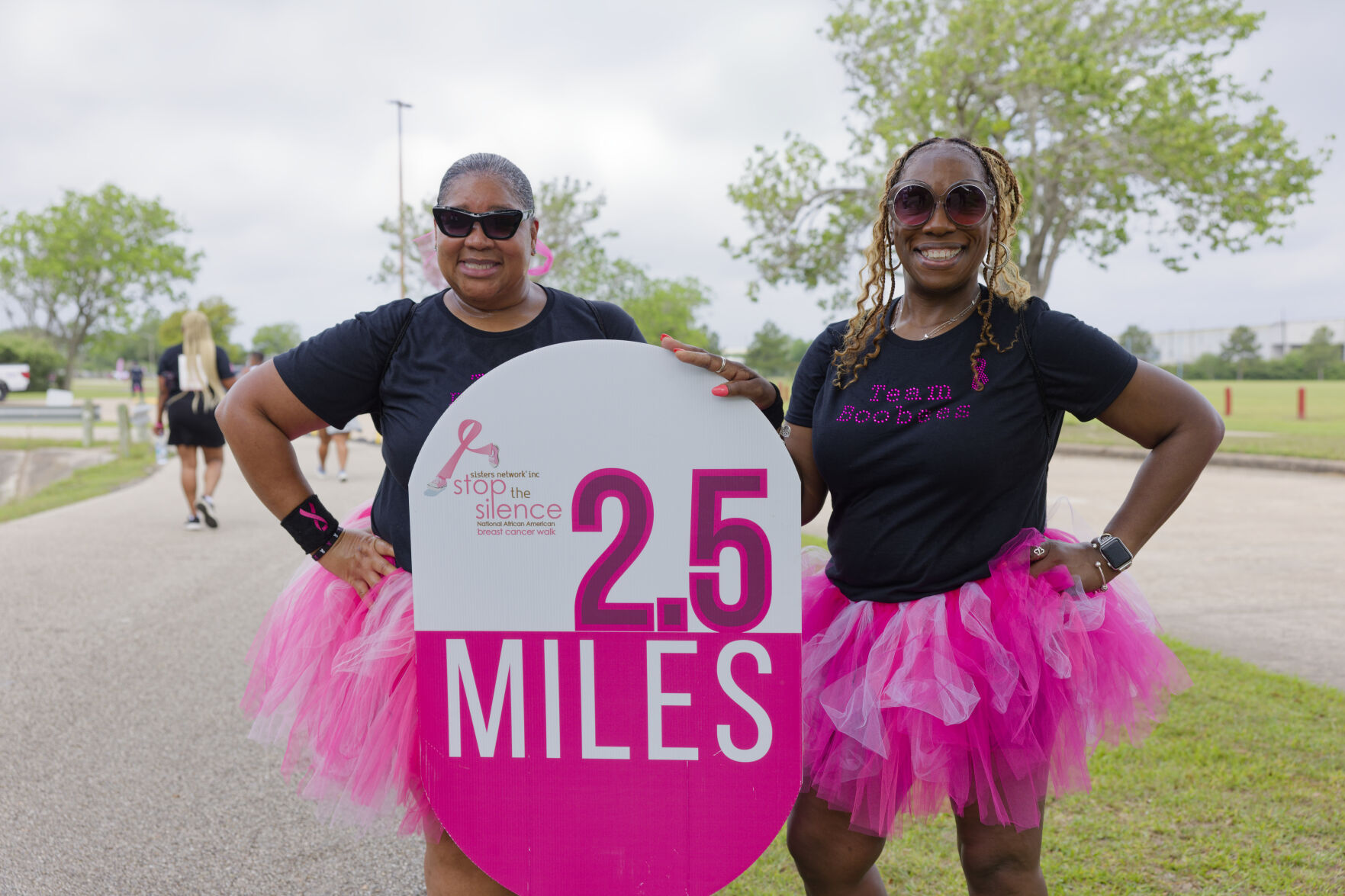
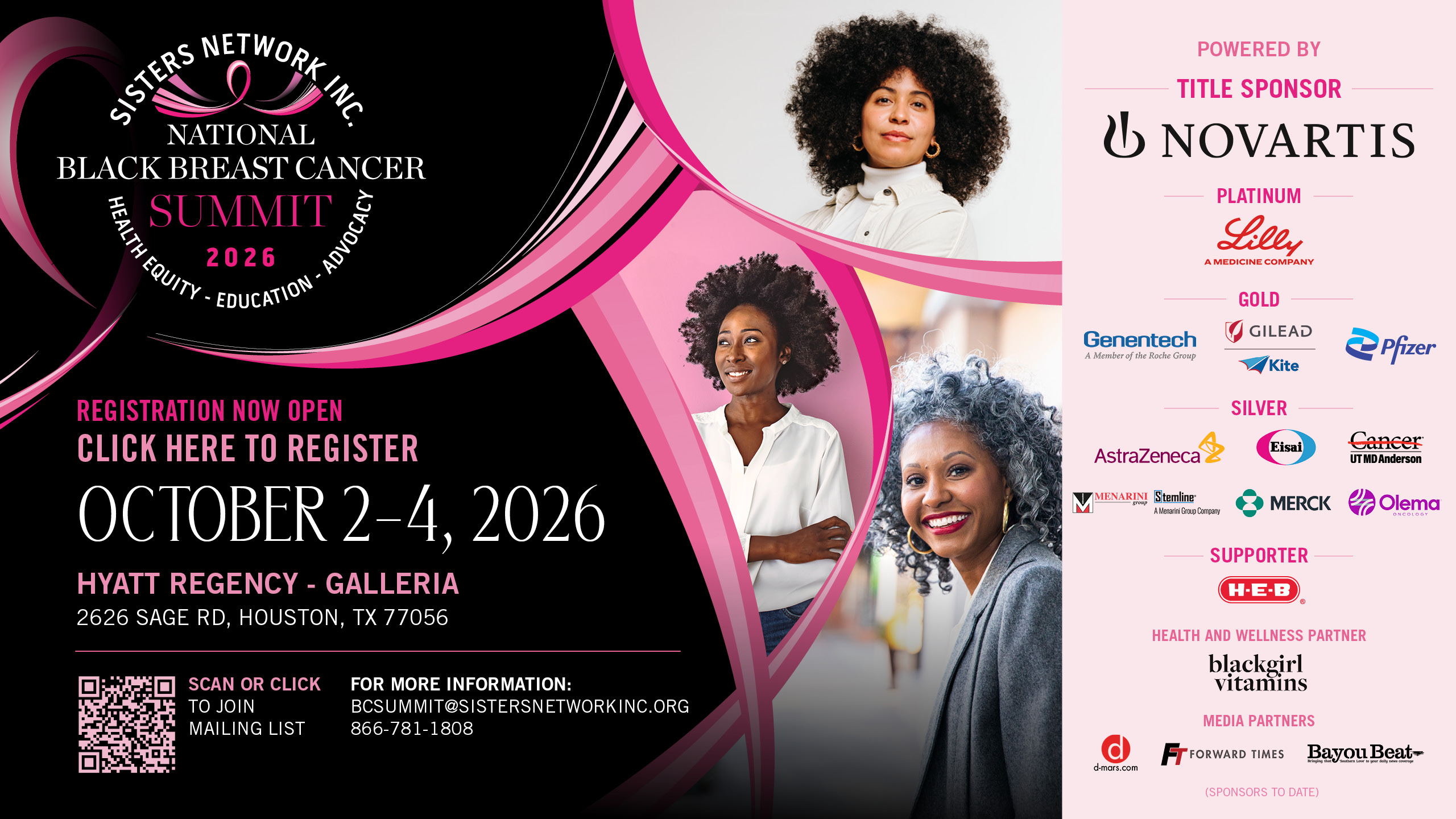
Black Girl Vitamins was on site sharing health resources. Amber Cares, Mostyn Law, and 1-800-Truck Wreck sponsored coffee, donuts, kolaches, and chair massages for every attendee. Children ran through the park in pink shirts. Elders moved at their own pace. Teams in matching colors carried signs bearing the names of women they had come to honor—women who had survived, and women who had not.
Sisters Network began in 1994 not with a grant or an institution behind it, but with Karen Jackson’s own diagnosis and her recognition that the silence around breast cancer in Black communities—the shame, the fear, the cultural pressure to be strong in ways that precluded vulnerability—was killing women who might otherwise have survived. Jackson is a four-time survivor. She has lived with this disease for 31 years. She founded the organization after her own experience navigating a system that was not built with her in mind, and she named it after the thing she most wanted to destroy: silence. Stop the Silence. The name is not subtle. Neither is the work.
Today, Sisters Network is the largest and only national Black breast cancer survivorship organization in the United States. Jackson has been recognized by the American Society of Clinical Oncology as a National Patient Advocate—the first Black woman to receive that honor. None of this happened because the system eventually got around to addressing Black women’s health needs. It happened because she built something the system had not built and would not build, and then kept building it, and then handed part of it to her daughter, who is continuing to build it now.
The walk took place during National Minority Health Awareness Month—a designation that points, with precision, to a truth the medical establishment has been slow to fully reckon with: health disparities in communities of color are not anomalies or accidents. They are outcomes produced by specific systems that can be named and, with enough sustained pressure, changed. Sisters Network has been applying that pressure for thirty years. The walk is how the community joins in.
Sisters Network will be back next year. The chapters will keep running. The Karen E. Jackson Breast Cancer Assistance Program will open again for applications, and the money raised on Saturday will go directly to women managing diagnoses across the country—women who may never know that a walk in a Houston park is part of what kept them alive.
That is what 3,000 people showed up this past Saturday to do. Not to gesture. Not to perform.
The walk is not a metaphor. Neither is the work.